When do you use a and when en in Spanish?
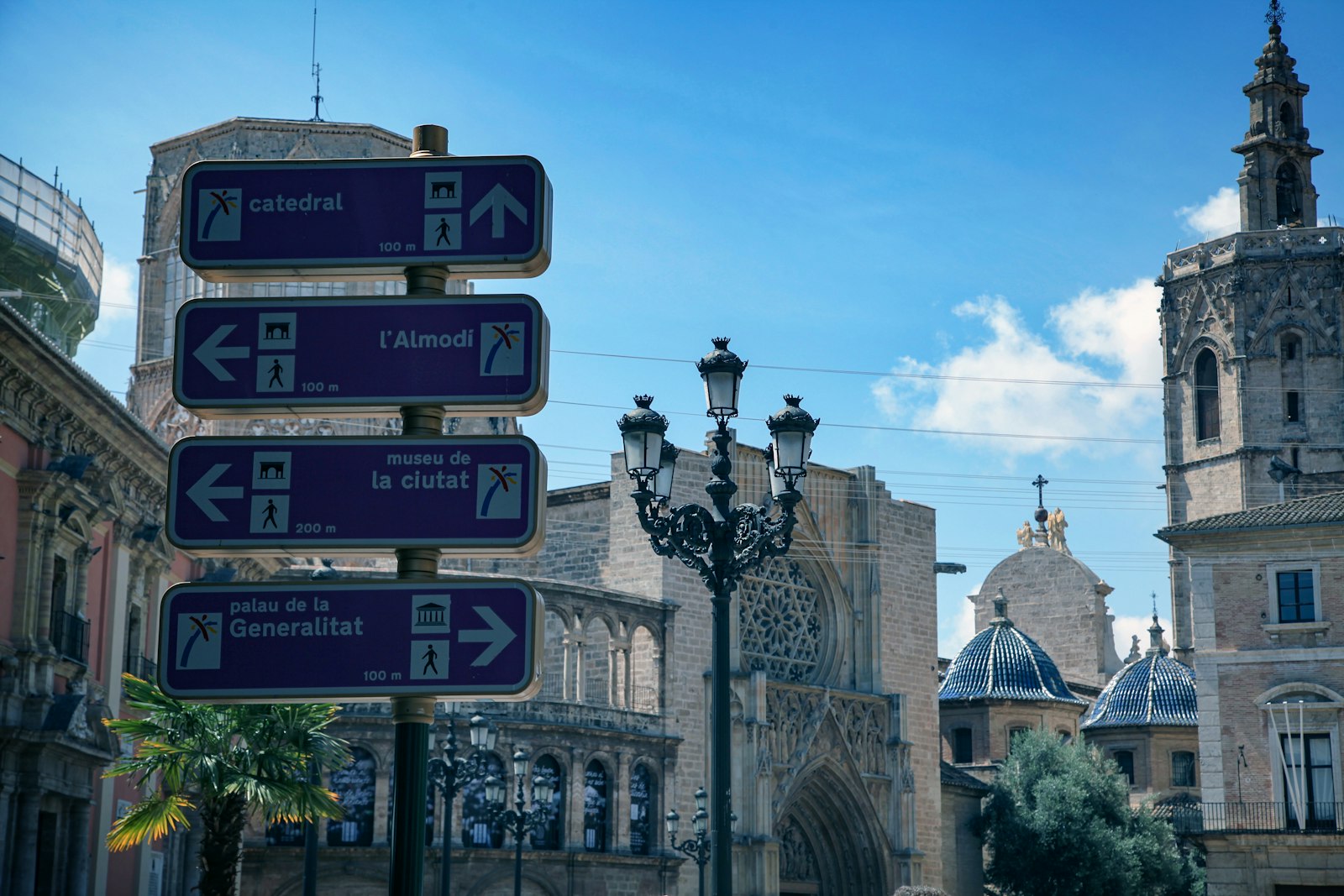
A points at where something is heading — voy a Roma, a palacio is the DLE's own example (a 4) — and en at where something is or happens: Pedro está en Madrid (en 1). So the verb decides, not the place: voy a la playa, but estoy en la playa; vuelvo a casa, but me quedo en casa.
English needs in, on and at for what Spanish says with en: en la caja, en la mesa, en la parada. The English word is no guide — ask whether the sentence moves toward the place (a) or is in it (en). A has one place job of its own: a position beside or relative to something — a la derecha del director, a la orilla del mar (a 7, a 17).
A and el join as al: vamos al médico, the DPD's example — except before a name that begins with El, which stays apart in writing: vamos a El Salvador (al 1). En never joins: en el cine.
| To say | Spanish | Example |
|---|---|---|
| where you're going | a | Voy a Roma. |
| where you are | en | Pedro está en Madrid. |
| in, on or at a place | en | Las llaves están en la mesa. |
| beside, to one side | a | Está a la derecha. |
| the hour | a | Llego a las tres. |
| a month, season or year | en | Nos vemos en enero. |
| by vehicle · on foot | en · a | Voy en tren. Voy a pie. |
Entrar en or entrar a?
Both are right. A few verbs of movement take en for where they end — caer en un pozo, entrar en casa, as the DLE's en (7) has them — and for entrar the DPD gives both: en is preferred in Spain and a in the Americas. Its examples are Felícitas entró en el cuarto de su primo and entra a mi cuarto (entrar 1).
With an infinitive it is not a choice: entrar a discutir means to start discussing, and en is wrong there (entrar 2).
A las tres, en enero: a and en for time
Time splits the same way. A marks a moment, like the hour — llego a las tres, the DLE's a (6) for the time something happens — and en the stretch it falls in: en enero, en verano, en 2027. Esto sucedió en Pascua is the DLE's own example (en 1).
En tren or a pie?
A vehicle takes en — en tren, en coche, en avión, en autobús — the en of the way something is done as well as where (the DLE's en 1). Without one it is a: a pie and a caballo are the DLE's examples of a for the way something is done (a 9).
Which verbs choose a or en for themselves?
Some verbs bring their own word whatever the sentence is about: empezar a, disponerse a and parecerse a are the DLE's examples of a after a verb (a 3), and pensar takes en when it means having someone or something in mind — ¡nunca piensas en nosotros! (the DPD's pensar 3). English says think about or think of; Spanish says pensar en.
Pensar que is another thing: pienso que hice bien, I think I did the right thing — no preposition, and never de: pienso que, not pienso de que (pensar 2).
| Verb | Takes | Example |
|---|---|---|
| empezar | a | Empezó a llover. |
| parecerse | a | Se parece a su madre. |
| entrar + infinitive | a | Entramos a discutir el plan. |
| pensar (to have in mind) | en | Pienso en ti. |
Why do English speakers mix up a and en?
Because to, in, on and at do not line up with them. To is a — voy a Madrid — but in, on and at are all en for a place you are in, and at is a for the hour: en la parada, a las tres. So the slips go both ways: estoy a casa where Spanish says estoy en casa, and voy en Madrid where it says voy a Madrid.
Our mistake corpus does not separate a from en yet, so there is no first-party rate for Nivelo learners on this point — the quiz above is the measure.
What comes after a and en?
Por vs para is the other pair of small words English says with one — for. The personal a is a different a altogether, the one before a person: veo a mi madre. Hay vs está sorts the two ways of saying where something is — hay una farmacia en la esquina, la farmacia está en la esquina — and salir, irse or dejar the verbs for leaving a place. The free Spanish level test places you on the A1–C2 scale in five minutes.